

Normal or Not? When Puffing is a Concern
Article - 5 min read • Updated Jan 12, 2026
Medically reviewed by Dr. Arman Chen, BVSc (Qld.), BSc (Leic.)
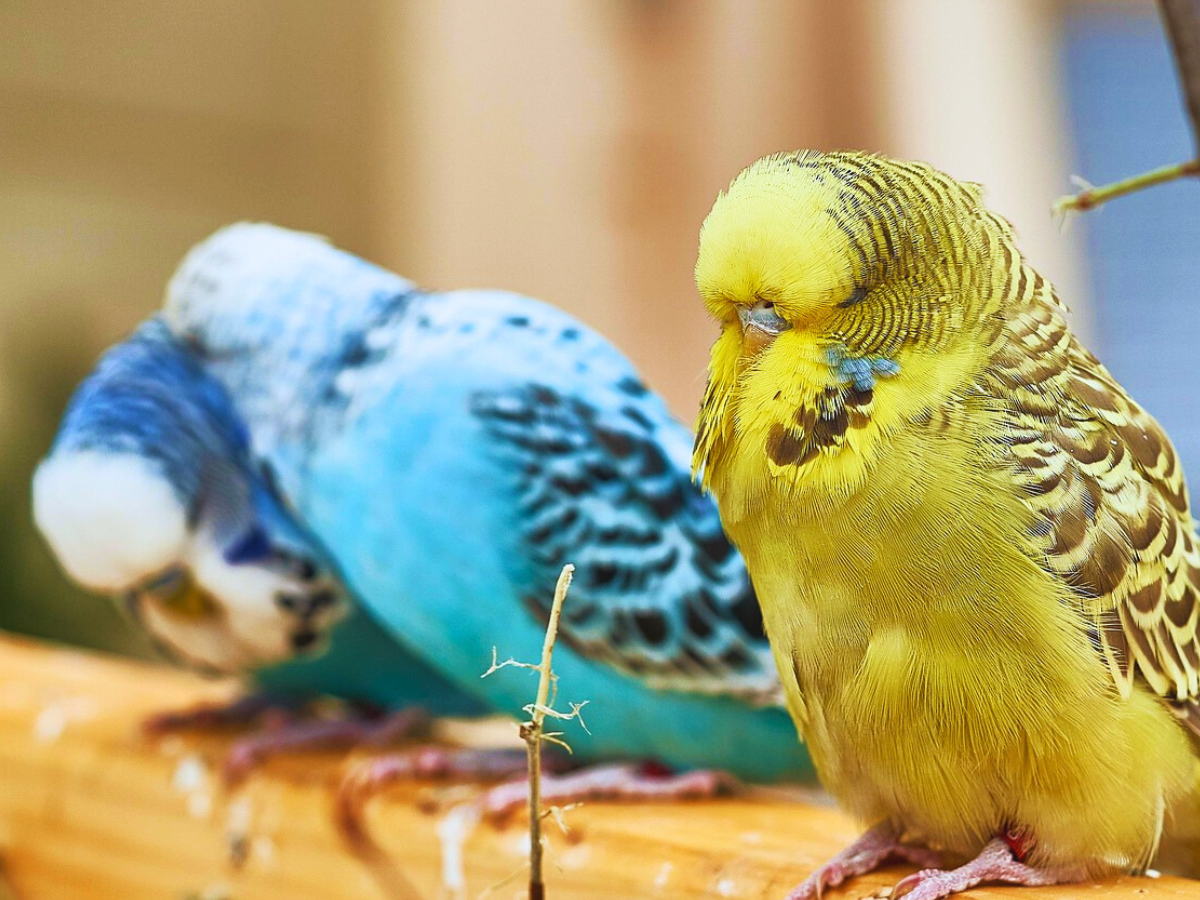


Seeing your bird looking extra fluffy can be charming or cute, but it can also be a subtle sign that something is not quite right.
In birds, fluffing or puffing up feathers is an important behaviour linked to temperature regulation, comfort, and overall health. In some cases, it may also signal illness or stress. Knowing when feather puffing is normal and when it is time to visit your vet is important for your pet’s wellbeing.
In Singapore, our pet birds may be exposed to changing temperatures, high humidity, lack of ventilation, or very warm indoor environments, depending on the size of your house and airflow. Yes, all these factors can influence how a bird behaves.
Why Do Birds Puff Up Their Feathers?
Birds rely a lot on their feathers to regulate body temperature and protect themselves. When a bird puffs up, it is usually responding to changes in its environment or its physical condition.
Feathers trap pockets of air close to the body, helping birds retain or regulate heat. Puffing up increases this insulation. Birds also have a high metabolic rate, which means they can lose or gain heat quickly, especially smaller species such as budgies and lovebirds.
Normal Behaviour in Singapore’s Climate
Even under our hot and humid weather, feather puffing can still happen as part of normal bird behaviour. Common, but non-concerning reasons a bird may look puffed up include:
- Resting or sleeping
- Adjusting to changes in temperature between day and night
- Coping with very hot days by altering posture and feather position
- Mild environmental discomfort, such as poor airflow or high humidity
If your bird is still alert, active, eating well, and behaving normally, occasional fluffing while resting is usually not a cause for concern.
When Puffing Up May Signal Illness
Persistent puffing, especially during the day, can be one of the earliest signs of illness in birds.
Birds tend to hide signs of weakness, it is in their nature. A bird that remains puffed up for long periods may be conserving energy because it does not feel well.
It is time to take action if you notice puffing along with at least one of these signs:
- Lethargy or reduced movement
- Sitting at the bottom of the cage
- Reduced appetite or reluctance to eat
- Changes in droppings
- Laboured or open mouth breathing
- Reduced preening
At Gaia Vets, we often see sick birds where persistent puffing up is one of the first changes owners notice.
Stress and Environmental Factors
Environmental stress can also cause birds to puff up their feathers.
In our homes, potential stressors may include:
- Limited space or overcrowding
- Insufficient ventilation or stagnant air
- Sudden changes in routine or environment
- Loud or constant household noise e.g from neighbouring renovation works
- Nutritional imbalances
Chronic stress can also weaken a bird’s immune system, making it more susceptible to illness over time.
How to Tell the Difference - A Checklist
Here’s a quick and easy checklist to decide if it is time to bring your bird to see the vet:
- Is the puffing occasional or persistent?
- Is my bird still eating, vocalising, and moving normally?
- Has there been a recent change in temperature, airflow, or environment?
- Are there other subtle signs appearing alongside the puffing?
Occasional puffing during rest is usually normal, but persistent puffing combined with behavioural or physical changes is more concerning. When in doubt, it is always safer to seek your vet’s advice.
Supporting Your Bird at Home
A comfortable and low stress environment supports healthy behaviour. Helpful considerations include:
- Ensuring good airflow and ventilation
- Avoiding extreme heat or sudden temperature changes
- Providing clean water and a balanced diet
- Maintaining a predictable day and night routine
- Observing behaviour and droppings daily
"Small adjustments can have a big impact on your bird’s comfort and wellbeing. During every visit, our vets are happy to share practical advice on the above that is tailored to your bird and home environment."
- Dr. Arman Chen, BVSc (Qld.), BSc (Leic.)
When to See a Vet
Birds can deteriorate quickly when unwell. Early evaluation often leads to better outcomes for birds and this is something we see time and time again at Gaia Vets. Book a visit with us today and check out some helpful answers to FAQs below.
Frequently Asked Questions From Bird Owners
- Why is my bird puffed up even on hot days?
Puffing up in warm conditions may indicate illness, discomfort, or stress rather than temperature regulation. Best to check with your vet.
- Is it normal for young birds to look fluffy?
Yes, juvenile birds naturally appear fluffier, but lethargy or poor appetite is not normal at any age.
- Can a bird be puffed up and still active?
Yes, especially if the puffing is brief or related to environmental adjustment. It is best to continue monitoring closely to see if other signs appear along with puffing.
- Does moulting affect fluffiness?
During moulting, birds may appear uneven or fluffier. Giving your bird proper nutrition is important to support healthy feather growth. Read more about what you should feed your bird here.
What is another common health sign bird owners often miss?
Weight loss is another frequently overlooked sign in birds.
Many birds are already underweight by the time changes become visible, as weight loss can be subtle underneath all the feathers. Use this handy guide to check your bird's body condition regularly.Regular health checks every 4 - 6 months help identify weight changes early and allow potential issues to be addressed before they become more serious.