
Bloat Isn’t Always Obvious in Dogs
Article - 5 min read • Updated May 02, 2026
Medically reviewed by Dr. Claire Tan, BVSc (Qld.), BAppSc (Qld.)
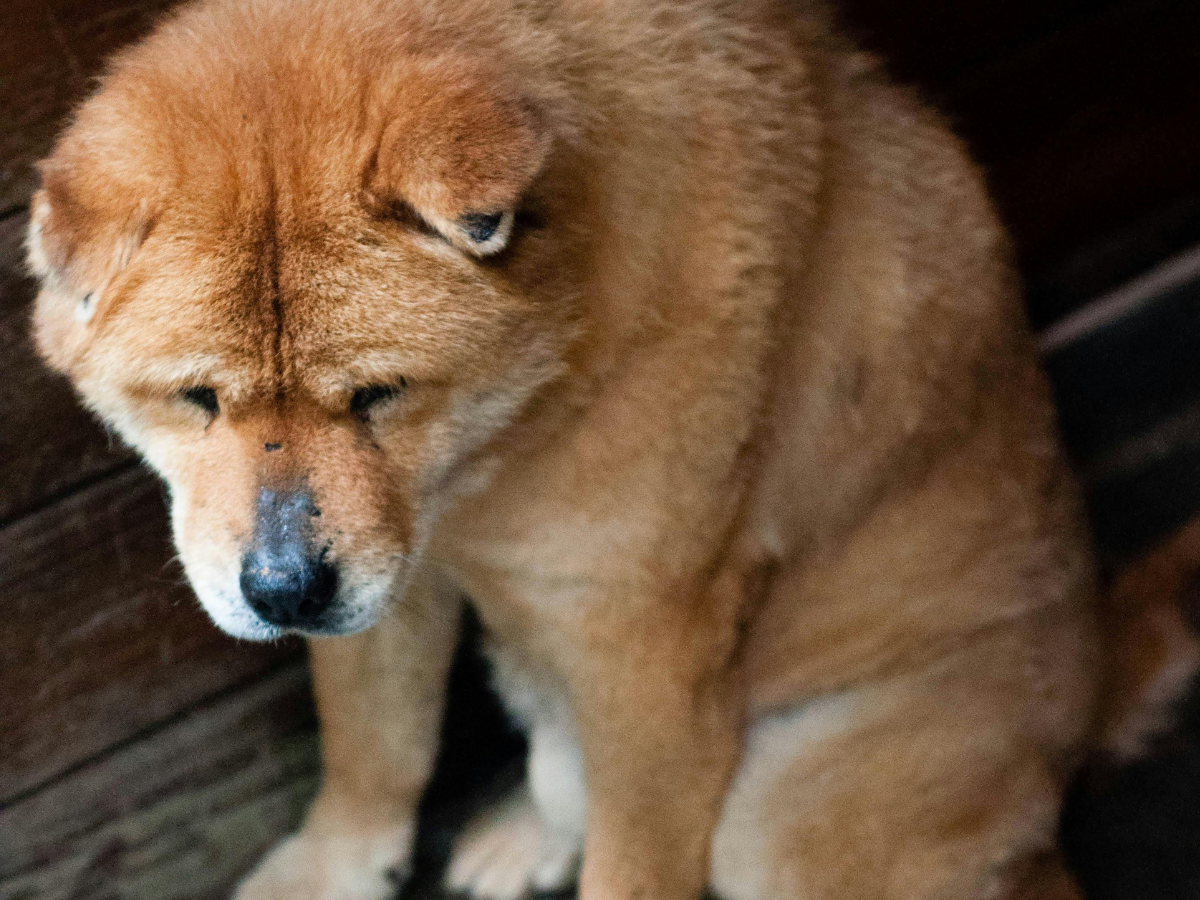


When people think of bloat, they picture a visibly swollen stomach. But in dogs, it doesn’t always look that way.
For some cases, especially more serious ones with Gastric Dilatation-Volvulus (GDV), it can start with changes that are easy to miss.
When your dog can’t settle down or seems restless.
Something that just feels off.
At Gaia Vets, that’s often how these cases first present. Not obvious… just different from normal.
What Bloat Actually Means in Dogs
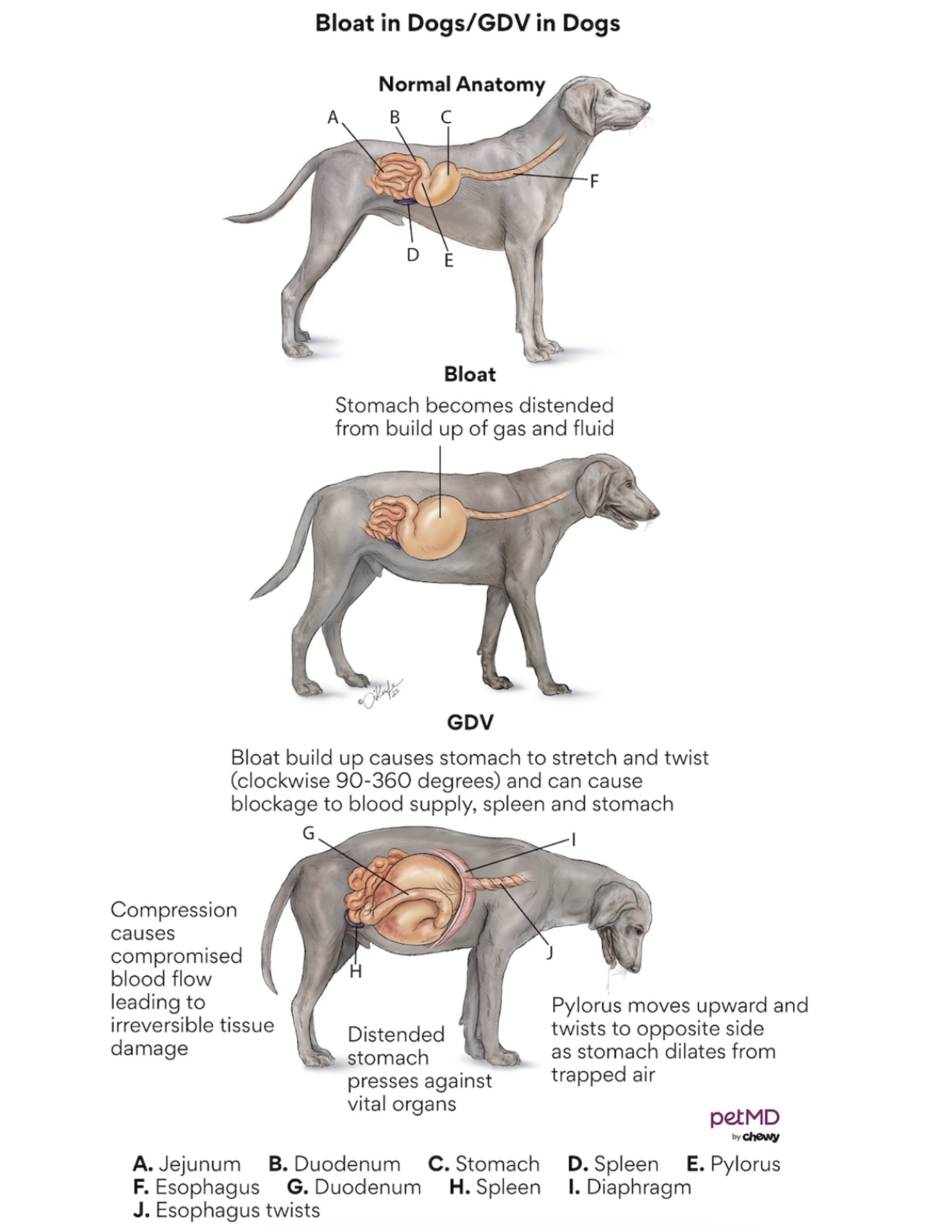
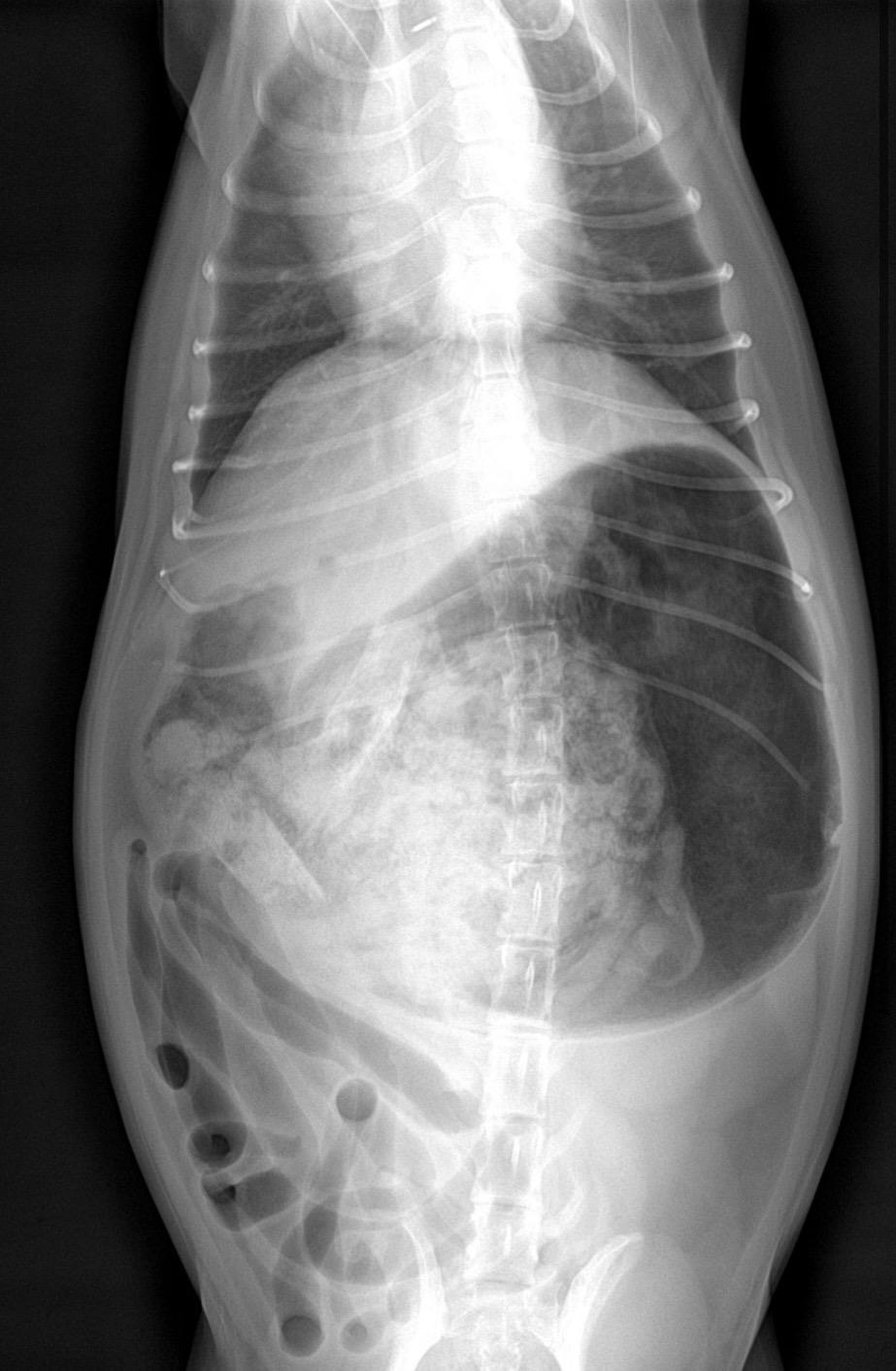
When we talk about “bloat” in dogs, we’re often referring to a condition called Gastric Dilatation-Volvulus (GDV). It happens when the stomach fills with gas, food, or fluid and then twists, trapping everything inside.
This twist can affect blood flow and place pressure on nearby organs. Not every bloated stomach is GDV of course. But GDV often starts quietly, and doesn’t always look dramatic early on.
What You Might Notice First
It’s rarely one obvious sign.
More often, it’s a combination of small changes:
- Restlessness or pacing
- Trying to vomit, but nothing comes out
- Drooling more than usual
- A subtle change in posture or comfort
- A belly that feels slightly tighter, but not always visibly swollen
Most owners don’t recognise “bloat” right away. They notice that their dog isn’t quite their usual selves.
Why Bloat is Easy to Miss Early On
Early stages may not cause visible swelling. Your dog's fur and body shape can hide abdominal changes. This means behavioural signs often appear before physical ones.
In fact, by the time a stomach looks obviously distended, the condition may already be more advanced.
Which Dogs Tend to Be More at Risk
Bloat happens more often in:
- Larger, deep-chested breeds
- Dogs that eat very quickly
- Dogs that exercise too soon after meals
But this isn’t limited to these groups. We’ve seen cases outside of them too, which is why it’s more useful to focus on what’s normal for your dog, rather than relying on risk factors alone.
When It’s Worth Getting Your Dog Checked
If something feels off with your dog, you should bring him to see your vet.
You don’t need to be certain something is wrong. In many cases, it turns out to be something mild. But in the cases where it isn’t, getting seen earlier gives your pet more options for treatment.
Can You Prevent Bloat Completely?
Not completely. But you can reduce the risk by:
- Feeding smaller, more frequent meals
- Slowing down fast eaters with puzzle feeders etc.
- Avoiding intense activity around mealtimes
These steps help, but they don’t replace awareness. So you are your dog's best chance and first responder in this case.
Your Trusted Family Vet, When You’re Unsure
Not every change is serious. But some are, and telling the difference at home isn’t always straightforward. At Gaia Vets, our team is here to help you make that call with you, not after the fact.
Book a consultation with us today!