

Haze in Singapore: How to Protect Your Pet
Featured Article - 4 min read • Updated Sep 26, 2026
Medically reviewed by Dr. Claire Tan, BVSc (Qld.), BAppSc (Qld.)
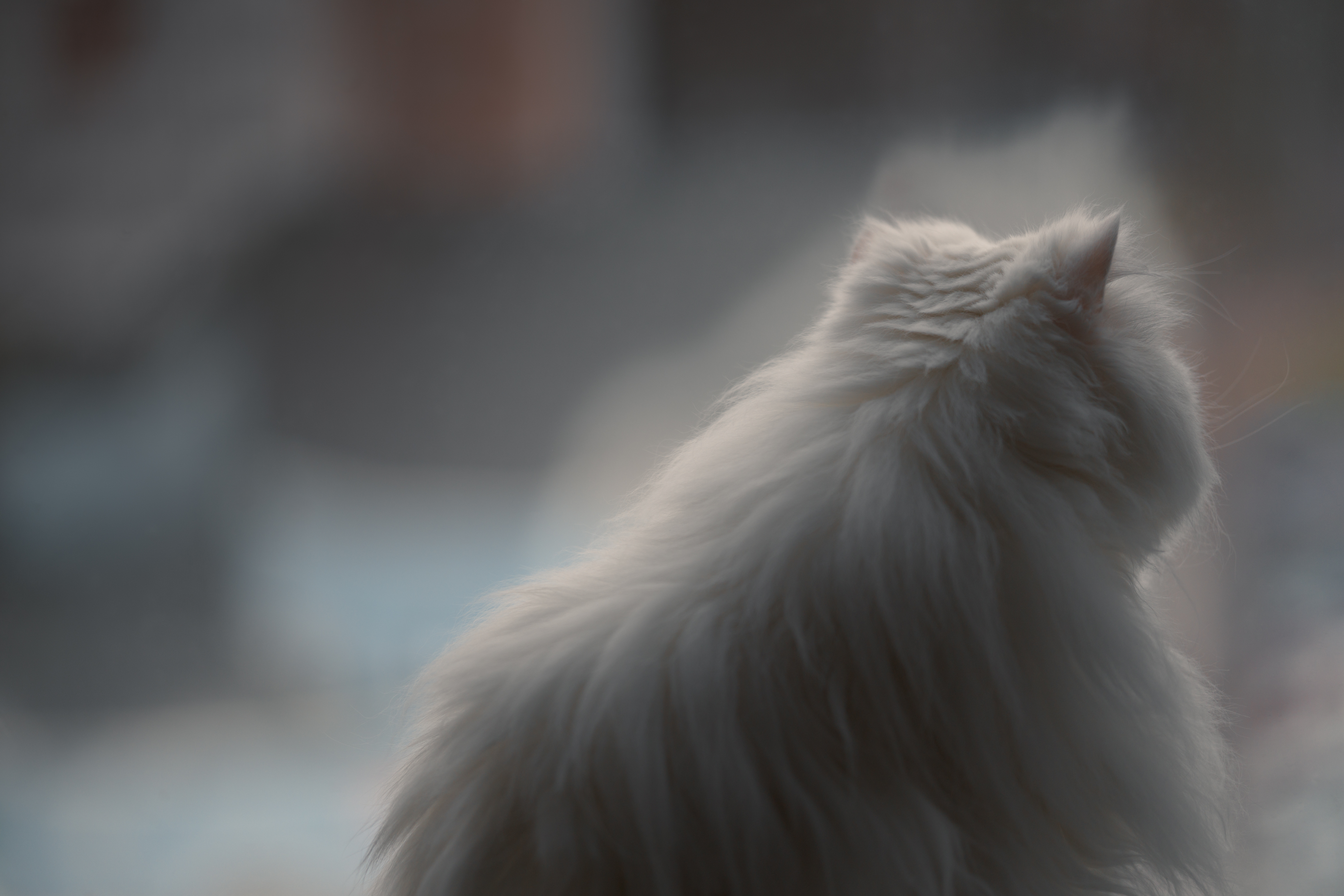


When the haze rolls in, most of us know the drill: check the air quality, close the windows and try to stay indoors and turn on our air purifiers.
But what about our pets?
Our pets breathe the same air we do. While a hazy day doesn't necessarily mean your pet will become unwell, airborne particles and smoke can still irritate his/her respiratory system. Pets with existing respiratory challenges such as brachycephalic breeds, or heart conditions may also need extra care.
So, what can you actually do when the air quality isn't great? Here are some answers to some of your burning questions:
Should I still take my dog for a walk?
When outdoor air quality is poor, the right thing to do is to reduce your pet's exposure where you can.
For dogs, that may mean shortening walks, avoiding unnecessary outdoor time and choosing times when the air quality is better.
You don't have to give up exercise completely. A few days of indoor enrichment can help make up for a shorter walk:
- Play a scent game around the house
- Practise basic commands
- Use a food puzzle or snuffle mat
- Play gentle indoor fetch
- Give your pup some supervised playtime
And remember that Singapore's heat and humidity can already put dogs at risk of overheating. If you're heading outside, keep walks appropriate for the weather too. Gaia Vets' guide to dog heatstroke has more tips on keeping dogs safe in Singapore's hot weather.
What about cats? How do they fare with the haze?
If your cat normally spends time outdoors, keeping them indoors during periods of poor air quality can reduce their exposure.
For indoor cats, there's no need to make dramatic changes. Keep their usual routine as normal as possible and make sure they have access to fresh water, comfortable resting areas and enrichment.
If your cat develops persistent coughing, breathing changes or unusual lethargy, don't assume it's simply the haze. Our guide on when to bring your pet to the vet lists some of the subtle changes that can indicate when your pet will need to see the vet.
What about birds and small pets amidst the haze?
This is one area where it's worth paying a little extra attention.
Birds have highly efficient respiratory systems, and respiratory changes can be easy for owners to miss. Some common signs that help you detect sickness in birds include open-mouth breathing, tail bobbing, changes in vocalisation and unusual fluffing. These are all reasons to bring your bird for a thorough check.
For rabbits, guinea pigs and other small mammals, good ventilation and a clean, low-dust environment are also important. For instance, fine particles from dusty bedding for pocket pets, together with inadequate ventilation, can contribute to respiratory problems in small pets.
During hazy periods, keep cages and enclosures away from direct outdoor air where possible, and avoid adding other airborne irritants such as smoke, incense, strong fragrances or aerosol sprays in an attempt to hide burning smells from the haze.
What signs should I watch for during the haze?
Pay attention to changes that are unusual for your pet. These may include:
- Coughing or sneezing more than usual
- Watery or irritated eyes
- Noisy or laboured breathing
- Breathing faster than usual
- Reduced activity (Lethargy)
- Weakness or stumbling
- Reduced appetite
For birds, signs such as open-mouth breathing or repeated tail bobbing are particularly important because they can signal respiratory difficulty.
More than just respiratory problems
One underestimated effect is that of eye irritation. It can lead to more squinting, increased or decreased production of tears, and redness or unusual discharge from the eyes etc.
Keep the air around your pet as clean and odour-free as possible
A few simple steps can help reduce unnecessary exposure.
- Keep pets indoors when outdoor air quality is poor
This is particularly important if your pet already has a respiratory or heart condition.
- Avoid adding more irritants indoors
If the air outside isn't great, avoid making the indoor environment more irritating with cigarette smoke, incense, strong fragrances or aerosol sprays.
- Keep your pet's environment clean
For birds and small mammals, regularly clean their living area, floors and avoid dusty bedding or substrates. Using air filters/HEPA filters to purify the air indoors will help.
- Keep outdoor activities flexible
If your dog's usual walk isn't practical, swap it for indoor play or enrichment. A missed walk is better than forcing outdoor exercise when conditions aren't suitable.
When should I see a vet?
A little extra sneezing doesn't necessarily mean something serious is happening.
But difficulty breathing is never something to simply watch and wait on.
Contact your vet if your pet develops persistent coughing, unusual breathing, significant lethargy, weakness or other symptoms that concern you.
For birds, seek veterinary attention promptly if you notice open-mouth breathing, repeated tail bobbing or significant changes in their normal behaviour.
If your pet is struggling to breathe, collapses or appears seriously unwell, seek veterinary care urgently.
A little preparation actually goes a long way during the haze
Haze may come and go, but knowing what to watch out for makes those uncomfortable days much easier to manage.
Keep an eye on the air quality, adjust your pet's outdoor activities when needed, and know what is normal for your pet so you can spot changes early.
After all, they can't tell us when the air feels uncomfortable. It is up to us, pet owners, to pay attention to them and make the right adjustments for their well-being!
And if you need any help at all, reach us at Gaia Vets!