
Lumps and Bumps in Dogs and Cats
Featured Article - 7 min read • Updated Jun 16, 2026
Medically reviewed by Dr. Arman Chen, BVSc (Qld.), BSc (Leic.)
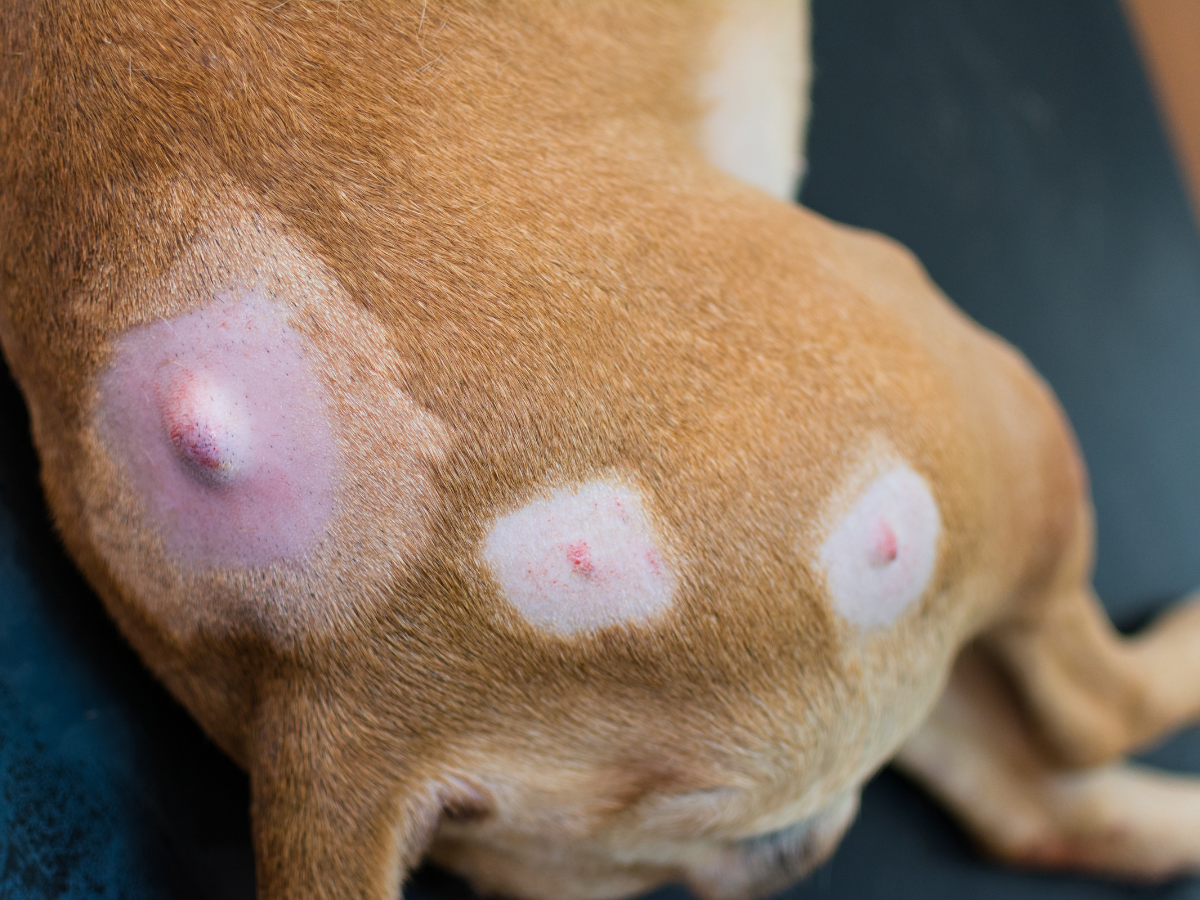


Running your hand over your dog's chest or scratching your cat under the chin only to discover a lump can be unsettling.
Your first instinct might be to wonder whether it's serious. Is it a fatty lump? A cyst? An infection? Could it be cancer?
The reality is that many different types of lumps can look surprisingly similar. Some are harmless and may never cause a problem, while others require treatment or further investigation.
Unfortunately, it's often impossible to tell exactly what a lump is based on appearance alone. If you've found a lump on your pet, the most important thing to do is avoid making assumptions and arrange for it to be assessed by a vet.
Before You Panic, Take Note of These Details
While waiting for your appointment, it can be helpful to make a few observations about the lump.
Ask yourself:
- When did you first notice it?
- Has it changed in size?
- Does it feel soft or firm?
- Is it moveable under the skin or fixed in place?
- Does your pet seem bothered when you touch it?
- Is there any redness, bleeding, or discharge?
It will help to take a note of exactly the lump/bump is located on your pet, and take a photo of it. These details can help your vet build a clearer picture of what may be happening.
However, it's important to remember that these observations alone cannot determine what a lump is. A soft lump isn't always a harmless lipoma, and a firm lump isn't always a tumour.
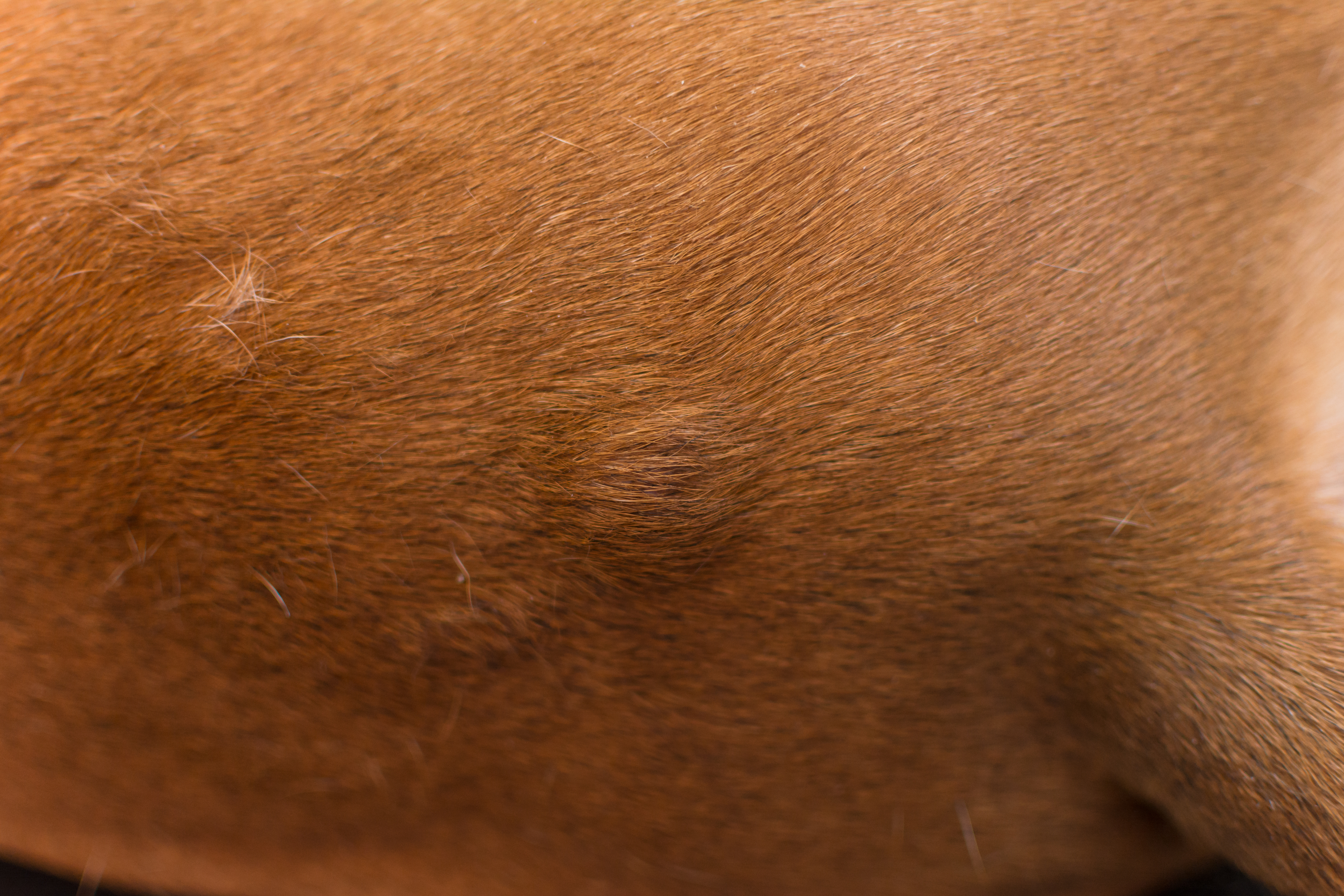
If you can take just 5 minutes a month to perform a regular check of your dog or cat's skin, it will increase your chances of finding something out of the norm. Especially for senior cats and dogs, this practice can be life-saving!
For a thorough check, you'll need to be comfortable with stroking your dog or cat's fur against its natural grain, so brushing backwards towards your furkid's head with your fingers and feeling along the way. Here's an excellent step by step guide to reference.
Why Lump Appearance Alone Doesn't Tell the Whole Story
One of the biggest misconceptions about lumps is that experienced vets can identify them simply by feeling them.
While the appearance, texture, and location of a lump can provide useful clues, many different conditions can look remarkably alike.
For example:
- A soft lump may be a lipoma (aka fatty growth)
- A swollen lump may be an abscess
- A fluid-filled swelling could be a hematoma
- A smooth bump may be a sebaceous cyst (a fluid filled lump that grows just under the skin)
- A seemingly harmless lump could even be a mast cell tumour
This is why vets never guess, they simply take a sample of it. The procedure is called FNA (Fine Needle Aspiration).
What to expect during Fine Needle Aspiration?
During a Fine Needle Aspiration (FNA), your vet inserts a small needle into the lump and gently draws out a sample of cells.
Depending on the location of the lump and your pet's temperament, sedation is often not required. The collected cells are then placed onto a microscope slide and examined in-clinic to help determine the nature of the lump. This procedure frequently provides valuable information that guides the next steps.
An FNA can often help determine whether the lump contains:
- Fat cells
- Inflammatory cells
- Signs of infection
- Blood
- Abnormal or tumour cells
While articles like this can help pet owners like you understand some of the possibilities, they cannot replace a physical examination and diagnostic testing. In many cases, an FNA is the most reliable way to learn what a lump actually is.
Common Types of Lumps and Bumps in Dogs and Cats
While only diagnostic testing can confirm a diagnosis, some of the more commonly encountered lumps include:
1) Lipoma (Fatty Growth)
Lipomas are benign growths made up of fat cells beneath the skin. They are often:
- Soft
- Moveable
- Painless
- Slow-growing
Lipomas are especially common in middle-aged and senior dogs and are frequently found on the chest, abdomen, and limbs.
2) Abscess
An abscess is a pocket of infection that forms beneath the skin.
They often develop following bite wounds, scratches, puncture injuries, or other breaks in the skin. Abscesses may be:
- Painful
- Warm to the touch
- Red and inflamed
- Filled with pus
Pets with abscesses may also appear lethargic or uncomfortable.
3) Hematoma
A hematoma occurs when blood collects outside of blood vessels, usually following trauma.
The most common example is an aural hematoma, which causes the ear flap to become swollen and fluid-filled after excessive head shaking or scratching.
4) Sebaceous Cyst
Sebaceous cysts occur when a hair follicle or skin gland becomes blocked.
They are usually slow-growing and well-defined. If they rupture, they may release a thick white or yellow material.
5) Mast Cell Tumour
Mast cell tumours are among the most common skin tumours in dogs. They are sometimes called "the great imitator" because they can vary greatly in appearance. Some are small and raised, while others may appear soft, swollen, or even resemble benign growths.
6) Other Benign and Malignant Tumours
Many other skin and soft tissue tumours can occur in dogs and cats.
Some remain localised and cause little concern, while others may require surgery, additional testing, or ongoing treatment.
Most importantly, no lump can be reliably classified as benign or malignant based solely on appearance.
When Should a Lump Be Checked?
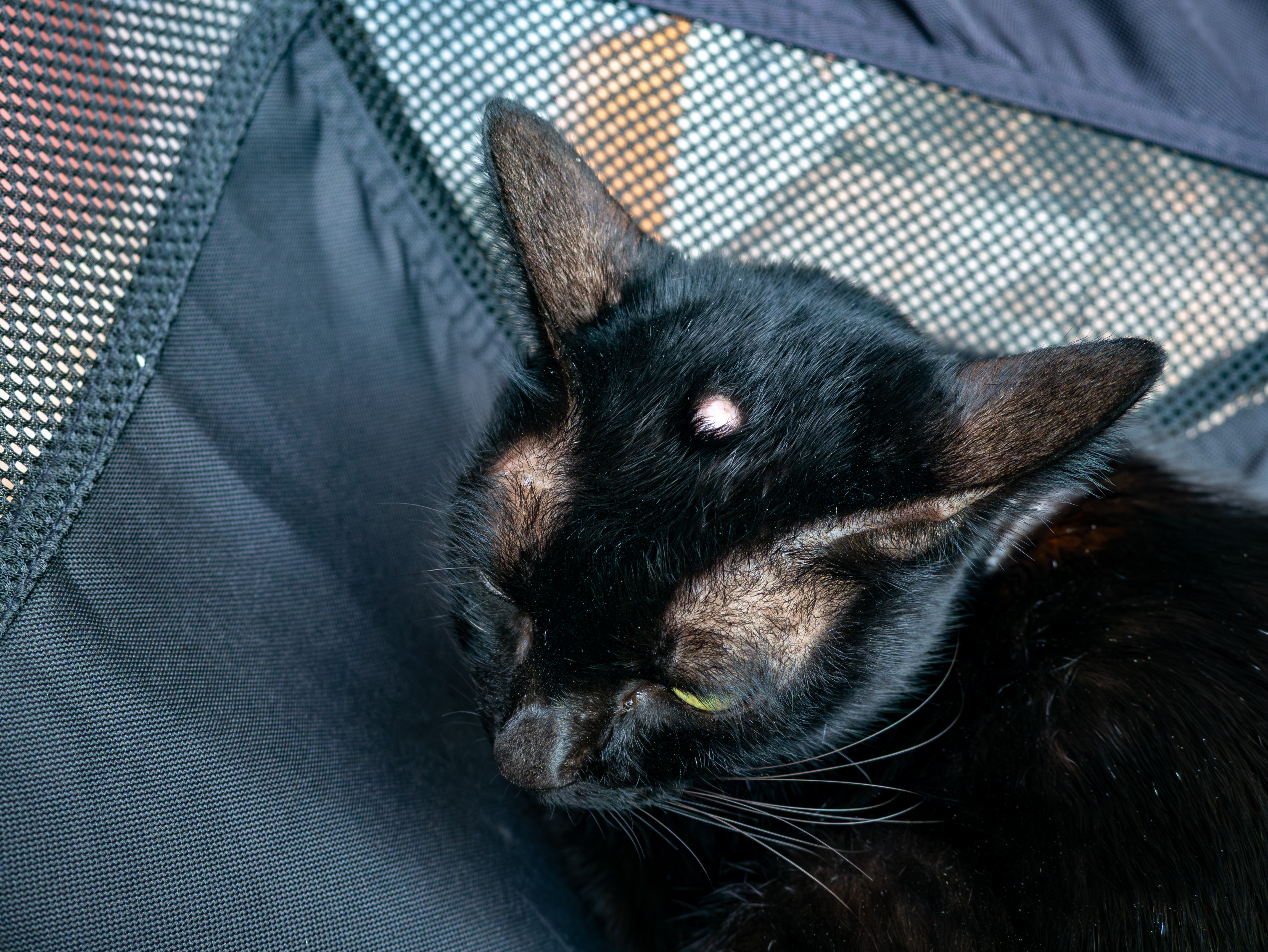
We recommend having a lump assessed if:
- It is newly discovered
- It is growing
- It changes in appearance
- It becomes painful
- It starts bleeding or discharging
- Your pet is licking or scratching at it
- Multiple new lumps appear
Even if a lump seems harmless, documenting and assessing it early can help establish a baseline for future monitoring.
Every Lump Deserves a Proper Assessment
Finding a lump on your pet doesn't automatically mean something serious is wrong. Many lumps turn out to be benign conditions such as lipomas or cysts.
However, because different types of lumps can look and feel remarkably similar, it's important not to rely on appearance alone. The best approach is to have the lump examined, discuss diagnostic options with a vet, and determine whether further testing or surgery is needed.
Most importantly, don't wait till the lump is significant in size before getting it checked.
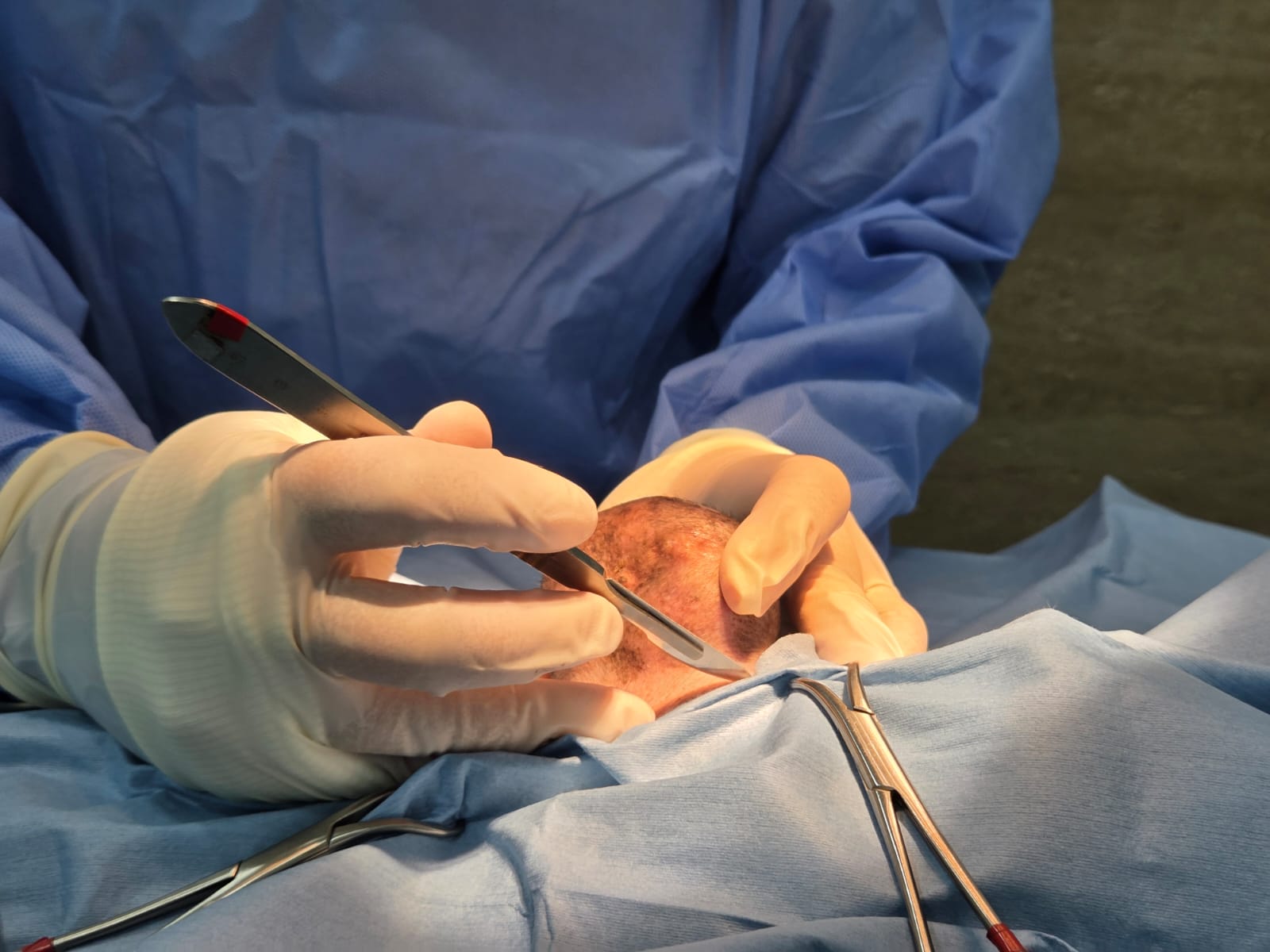
At Gaia Vets, we’re a one-stop animal hospital with a full suite of diagnostic capabilities and experience to help pet owners like you!
After all, when it comes to lumps and bumps, what matters most isn't what they look like. It's understanding what they really are.
Book a consultation with us today!