
Thinking of Feeding Your Pet a Raw Diet? Read This First.
Article - 7 min read • Updated Mar 15, 2026
Medically reviewed by Dr. Claire Tan, BVSc (Qld.), BAppSc (Qld.)
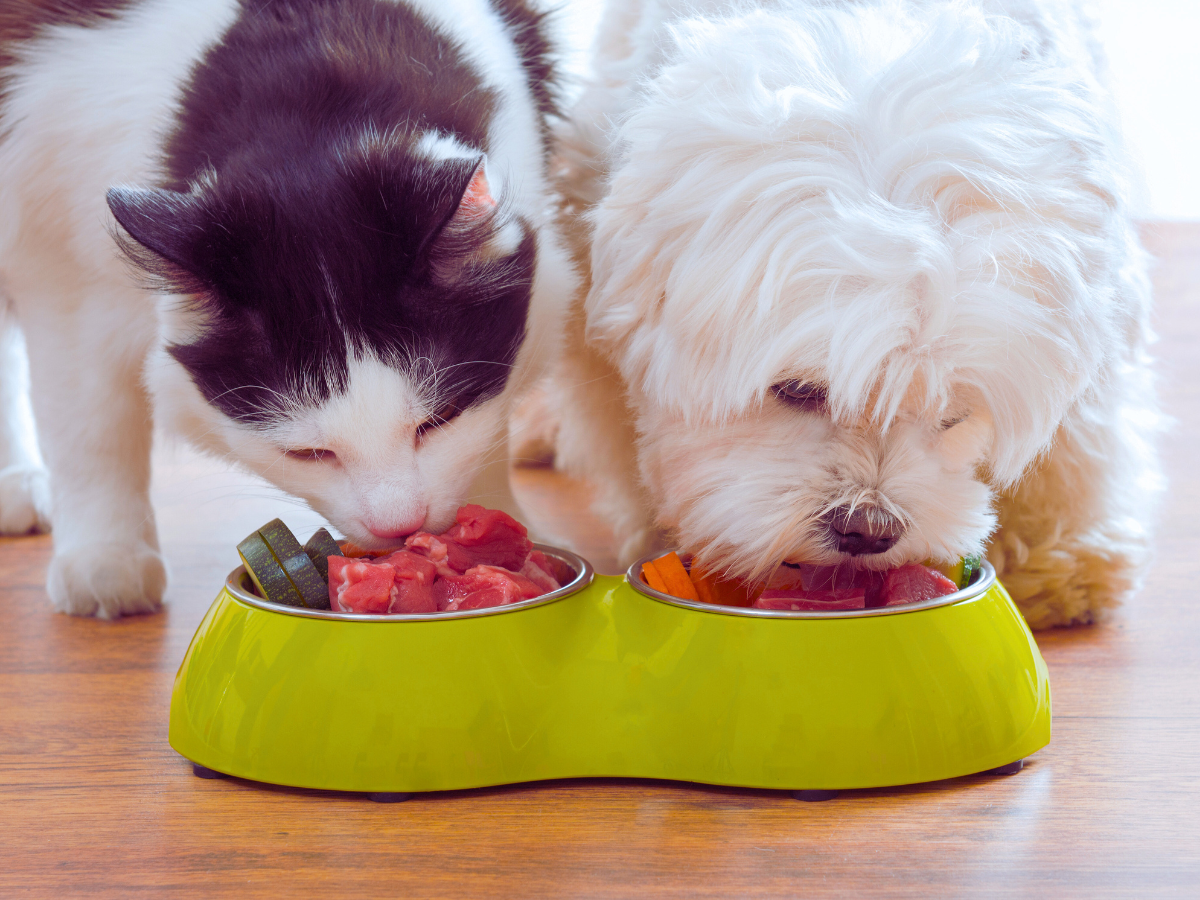


Raw diets has become quite popular among pet owners who want to give their pets a more “natural” way to feed. Social media especially tends to promote raw meat diets as a way to improve coat quality, digestion, and overall health.
But is a raw diet actually safer for dogs and cats?
At Gaia Vets, we often get questions from pet owners about raw feeding. While feeding raw meat may seem closer to what animals eat in the wild, veterinary research shows that raw diets can carry several risks for both pets and their families.
Let’s take you through some considerations so you can make more informed choices about raw diets!
What’s a Raw Diet for Dogs and Cats?
A raw diet typically consists of uncooked animal ingredients such as:
- Raw meat
- Organs
- Bones
- Eggs
- Fruits or vegetables
Raw diets are often marketed under several names, including:
- BARF diet (Biologically Appropriate Raw Food or Bones and Raw Food)
- Raw meat based diets (RMBDs)
- Frozen raw pet food
- Freeze-dried raw pet food
Some owners prepare these meals at home, while others buy commercially packaged raw diets.
Although these diets are commonly advertised as healthier or more natural, current veterinary evidence raises concerns about food safety and nutritional balance.
Risks of Feeding a Raw Diet to Dogs & Cats
1. Risk of Harmful Bacteria in Raw Pet Food
Raw meat frequently contains bacteria that are normally eliminated during cooking.
Common bacteria found in raw pet food include:
- Salmonella
- Escherichia coli (E. coli)
- Listeria
- Campylobacter
Because raw diets skip the cooking process, these bacteria may remain in the food and infect pets or humans who handle them.
Studies have shown that raw pet food products may contain pathogens capable of causing illness, while properly cooked commercial pet foods generally do not.
Pets that consume contaminated raw food may also shed bacteria in their stool even if they do not appear sick. This increases the risk of bacteria spreading around the home via food bowls, litter boxes, pet saliva etc.
Research has shown that contamination in raw pet food is not uncommon. In one study, nearly 25% of raw dog food samples tested positive for harmful bacteria such as Salmonella and Listeria.
Dogs may also carry these bacteria without showing any signs of illness, meaning they can unknowingly spread pathogens through their saliva, faeces, and environment at home.
If you’ve got children, elderly family members, pregnant individuals, or immunocompromised people, they all face a higher risk of infection.
2. Risk of Antibiotic Resistant Bacteria
Another growing concern is antimicrobial resistance.
Some raw pet foods have been found to contain bacteria carrying antibiotic-resistant genes. These bacteria may spread between pets and humans, and can potentially contribute to infections that are harder to treat.
This is one of the key reasons veterinary and public health organisations caution against raw feeding.
3. Risk of Parasites & Zoonotic Diseases
Raw meat may also contain parasites and infectious organisms that can affect both animals and humans. Examples include:
- Toxoplasma
- Tapeworms
- Brucella bacteria
These pathogens can spread through contaminated food or surfaces in the home.
4. The Issue of Nutritional Imbalances
Dogs and cats require carefully balanced levels of nutrients, including:
- Calcium and phosphorus
- Essential fatty acids
- Vitamins and trace minerals
- Taurine and L-carnitine
Many home prepared raw diets are unable to meet these requirements compared to formulated kibbles/wet food made by reputable manufacturers.
Long term nutritional imbalances may lead to health problems such as:
- Bone abnormalities in growing animals
- Organ damage
- Weak immunity
- Heart disease in cats due to taurine deficiency
Young pets such as puppies and kittens are especially vulnerable to improper nutrition during growth and pet owners should avoid raw diets for this reason.
Another lesser discussed risk of raw diets is the inclusion of bones.
Raw bones may cause intestinal blockage, perforation of the digestive tract
and dental fractures. In some cases, these complications may require emergency surgery.
Check out some top signs to watch after feeding bones to your pet.
Other FAQs on Raw Diets
Is Freeze Dried Raw Pet Food Safer?
Freeze-dried raw diets are often marketed as a safer alternative to frozen raw food because of its preparation method.
Freeze drying removes moisture from food to extend shelf life, but it does not reliably eliminate harmful bacteria. This means pathogens present in raw meat may still survive the freeze drying process.
Studies analysing commercial raw pet foods have identified disease causing microbes and antibiotic resistant bacteria in frozen, refrigerated, and freeze-dried raw diets.
Some manufacturers use additional safety steps such as high pressure processing to reduce bacterial contamination. While this can lower bacterial levels, it still may not completely eliminate all pathogens.
For this reason, freeze-dried raw diets should still be handled with the same caution as other raw foods.
What Do Vets Recommend Instead?
Most vets (including our team at Gaia Vets) recommend feeding a complete and balanced commercial diet.
Look for diets that meet recognised nutritional standards such as:
- AAFCO feeding trials or nutrient profiles
- WSAVA nutritional guidelines
- Veterinary formulated diets
These diets are carefully designed to provide:
- Balanced protein, fats, and carbohydrates
- Correct mineral ratios
- Essential vitamins and amino acids
- Strict manufacturing quality control
Both dry kibbles and wet food can work well depending on your pet’s needs. Many pet owners choose to feed a combination of wet and dry food to increase hydration and dietary variety.
Is Raw Diet Alright For Puppies or Kittens?
For young pets, we generally recommend:
- Puppy or kitten specific diets designed for growth
- Breed-appropriate formulations, especially for large breed puppies
- Monitoring body condition to prevent overfeeding
Large breed puppies especially will need controlled calcium and energy levels to support proper bone development. It is best to avoid feeding unbalanced homemade diets during growth stages unless it is formulated by a veterinary nutritionist.
What Else Can Still Choose to Feed Raw
While we generally do not recommend raw feeding due to the risks involved, we understand that some pet owners may still choose this approach.
If you decide to feed raw, it is important to take steps to reduce potential risks.
1. Sanitise Surfaces Regularly
Clean and disinfect all surfaces, utensils, and food bowls that come into contact with raw food.
2. Ensure Proper Storage
Keep raw food frozen until you are ready to use it, and store it separately from human food.
3. Practise Safe Thawing
Thaw raw food in the refrigerator or microwave, not at room temperature or in the sink.
4. Discard Uneaten Food Promptly
Any raw food that is not eaten should be discarded within 15 to 30 minutes to reduce bacterial growth.
5. Observe Good Hygiene after Feeding
Wash your hands thoroughly after handling raw food or interacting with your pet after meals.
6. Separate Feeding Equipment
Use dedicated bowls, cutting boards, and storage containers for raw pet food only.
Is A Homecooked Diet Better?
Some pets may require home cooked diets due to medical conditions.
In these cases, the diet should always be formulated with the guidance of your vet to ensure proper nutrient balance.
Simply feeding meat, vegetables, and supplements is rarely sufficient to meet all of a pet’s nutritional needs.
The Conclusion on Raw Diets
Raw diets, including freeze-dried raw food, are often promoted as natural alternatives to commercial pet food. However, research shows they may carry several risks, including:
- Bacterial contamination
- Antibiotic resistant pathogens
- Parasites and zoonotic disease
- Nutritional imbalances
For most pets, a complete and balanced commercial diet remains the safest and most reliable choice.
If you are not sure what diet is best for your dog or cat, come speak to our vets! We can help ensure your pets receive the nutrition they need for every stage of life.