

It’s Not “Just Peeing More” - UTI in dogs
Article - 5 min read • Updated Apr 10, 2026
Medically reviewed by Dr. Claire Tan, BVSc (Qld.), BAppSc (Qld.)
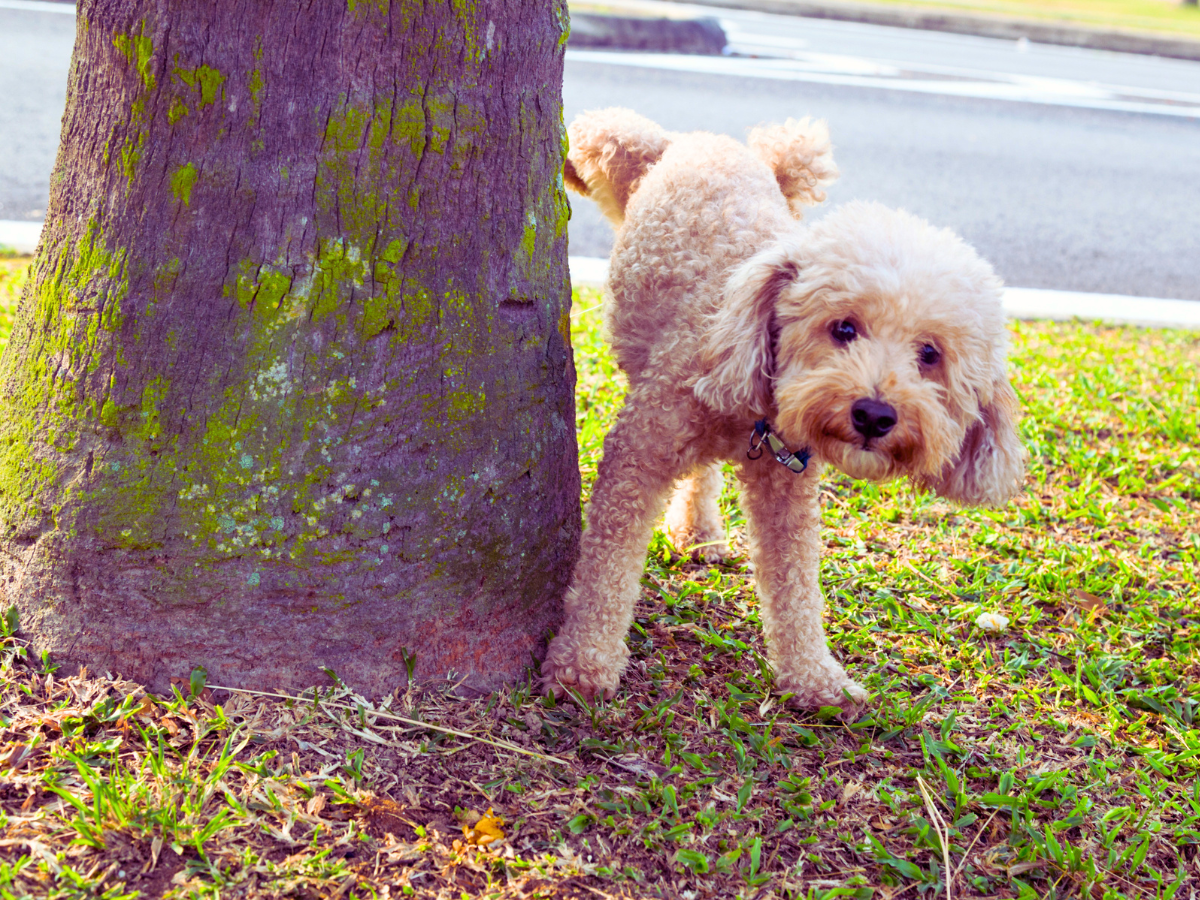


It usually starts small.
Your dog asks to go outside more often, or maybe there’s an accident in the house even though they’re well-trained.
It’s easy to brush it off. But sometimes, these subtle changes are your dog’s way of telling you something isn’t right.
One of the more common causes?
A urinary tract infection (UTI).
What is a UTI in dogs?
A urinary tract infection happens when bacteria enter the urinary system, most commonly travelling up the urethra into the bladder.
Under normal conditions, urine in the bladder is sterile. But once bacteria get in, they can multiply and irritate the bladder lining. This leads to discomfort, inflammation, and changes in urination frequency.
While UTIs are fairly common in dogs, they’re not something to ignore, especially if symptoms are getting worse.
Signs of a UTI in dogs
UTIs don’t always look dramatic at first. In fact, many of the early signs are easy to miss. Here’s what to watch for:
Changes in urination habits
- Asking to go out more frequently
- Passing only small amounts of urine
- Having accidents indoors
Signs of discomfort
- Straining to pee
- Whining or appearing uncomfortable while urinating
Visible changes
- Blood in the urine
- Cloudy urine
- Strong or unusual odour
Behavioural changes
- Licking the genital area more than usual
- Lethargy or reduced activity
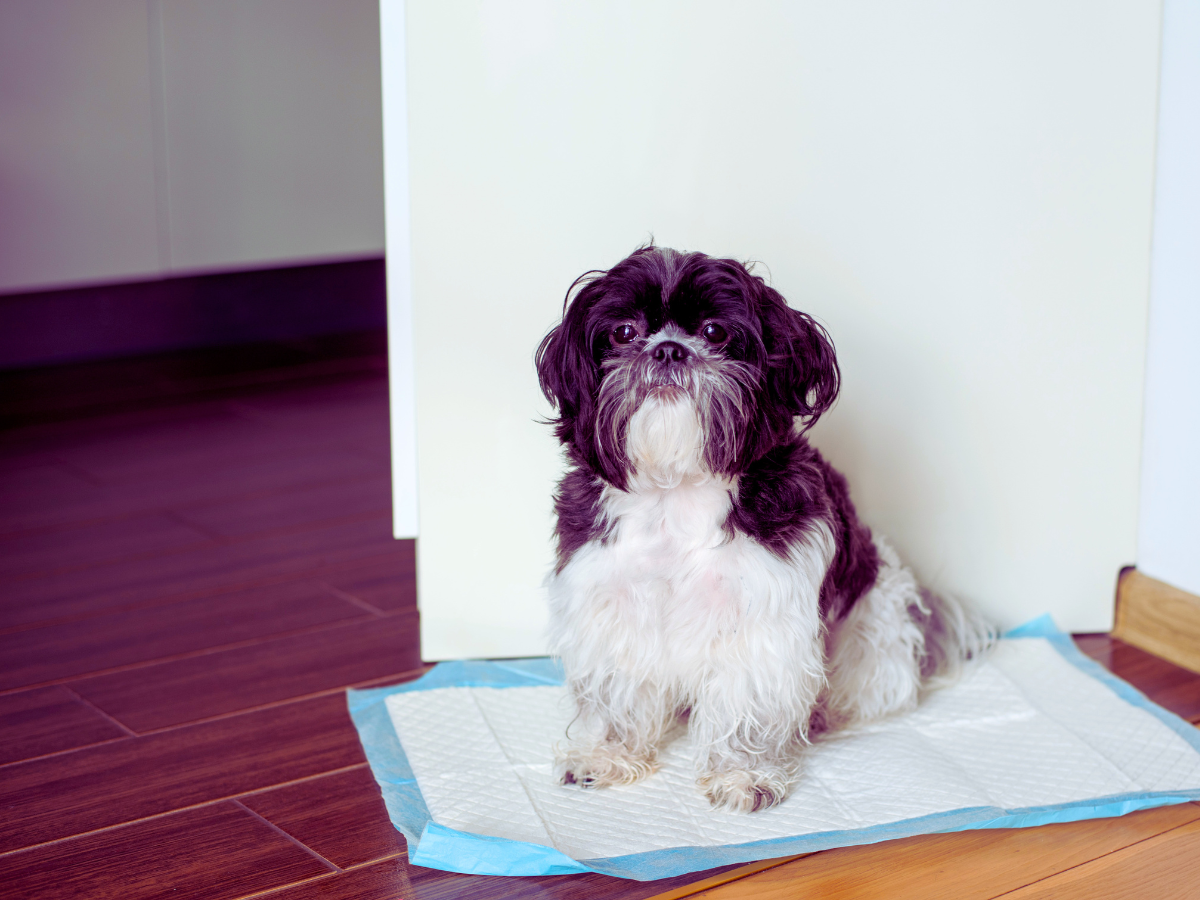
A common red flag we see in clinic: A previously well-trained dog suddenly having accidents at home.
That’s often not behavioural, it’s medical.
How do dogs get UTIs?
Most UTIs are caused by bacteria, commonly E. coli, which can come from the environment or the dog’s own body.
But infections don’t always happen randomly. There’s usually a contributing factor.
Common risk factors include:
- Female dogs are more prone (due to shorter urethra)
- Older or more senior dogs
- Underlying conditions (e.g. diabetes, kidney disease, Cushing’s)
- Presence of bladder stones
- Weakened immune system
- Anatomical issues
When these factors are present, UTIs can become recurrent or harder to resolve when they occur.
Why you shouldn’t wait it out a UTI
Some mild UTIs may seem manageable at first, but without treatment, they can progress.
Left untreated, a UTI can lead to:
- Ongoing pain and discomfort
- Bladder stones
- Kidney infections (more serious)
This means, what starts as “just peeing more” can turn into something much more complicated.
How UTIs are diagnosed
Because several urinary conditions can look similar, a proper diagnosis is important.
This typically starts with a urinalysis at the vet clinic. This is a test that evaluates:
- Urine concentration
- Presence of blood, protein, or glucose
- Signs of infection (white blood cells, bacteria)
- Crystals in the urine
In some cases, we may also recommend:
- Urine culture & sensitivity testing (to identify the exact bacteria and best antibiotic)
- Imaging (e.g. X-rays or ultrasound) if bladder stones are suspected
This helps ensure we’re treating the right problem, in the right way.
How UTIs in dogs are treated
Treatment usually involves:
- Antibiotics to clear the infection
- Pain relief if your dog is uncomfortable
- Dietary adjustments, if needed
Once treatment is completed, a follow-up urine test is often recommended to make sure the infection has fully resolved.
If not, your vet may need to look deeper for underlying causes.
Can UTIs be prevented?
In some cases, yes, but prevention depends on the underlying cause.
General steps that can help include:
- Encouraging regular urination (don’t delay bathroom breaks)
- Keeping your dog well-hydrated
- Maintaining a healthy weight
- Managing underlying health conditions
- Following any diet or supplement recommendations from your vet
If your dog has had UTIs before, it’s worth having a long-term plan to reduce recurrence. Speak to your vet about this!
When should you see a vet?
If you notice any of the following, it’s best to get it checked early:
- Frequent urination
- Straining to pee
- Blood in urine
- Sudden accidents at home
These signs may seem mild, but they’re often the earliest window to intervene, before things worsen.
A note from us at Gaia Vets
UTIs are something we see quite regularly in both dogs and cats, and more often than not, owners tell us:
“We thought it was just a small change.”
"We thought it was normal."
You know your dog best. So if something feels off, it’s always worth checking.
Early care is not just simpler and cheaper for you, it’s kinder for your pet, too.
If you’re concerned about your dog’s urinary health, feel free to reach out to our team at Gaia Vets. We’re here to help you figure things out step by step.
With 2 branches located in the west side and central Singapore, just give us a call to book an appointment. Contact us today for help.