

When Skipping a Meal Becomes Dangerous for Rabbits
Article - 6 min read • Updated Jan 25, 2026
Medically reviewed by Dr. Arman Chen, BVSc (Qld.), BSc (Leic.)
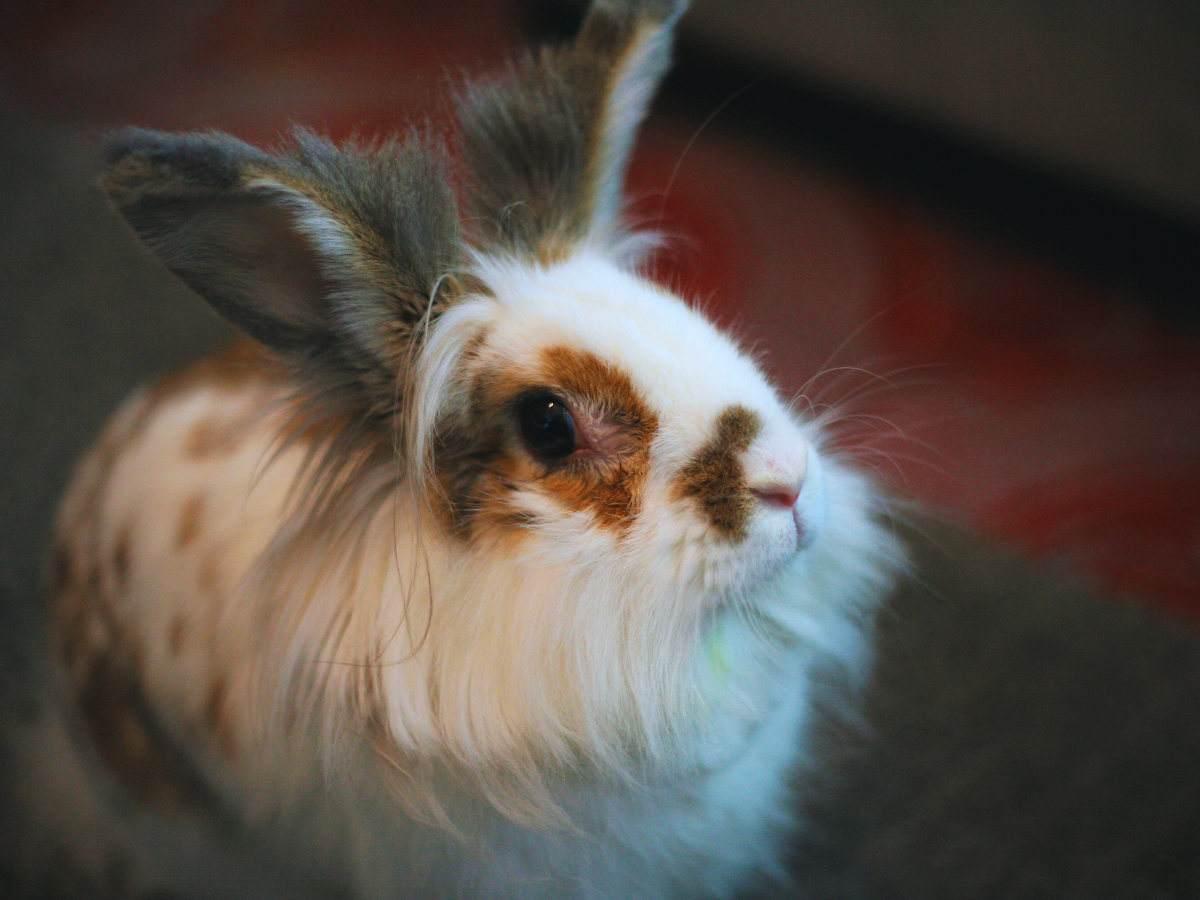


“One of the first signs we see in critically ill rabbits is a loss of appetite, sometimes days before they appear sick. Rabbits can deteriorate fast, so watch closely how much they eat.” - Dr Arman Chen, BVSc (Qld.), BSc (Leic.)
In fact, skipping meals isn’t the only symptom. Your rabbit may have been producing tiny droppings or none at all.
Rabbits’ digestive systems are always on the move, and any slowdown, a.k.a gastrointestinal (GI) stasis can be quite serious. Early detection can actually save your bunny’s life.
What Exactly Is GI Stasis?
Think of your rabbit’s intestines like a conveyor belt. When it stops moving, everything on it, be it hay, pellets, even a bit of fur can start to pile up. Gas builds up, gut bacteria can overgrow, and your bunny gets uncomfortable fast.
Pain and stress can make them eat less, which slows their gut even more.
Quick fact: GI stasis can become life-threatening within 12–24 hours. That’s why even skipping a single meal can be a warning sign that warrants a visit.
Why Rabbits Get GI Stasis
Any rabbit can develop stasis, but a few common triggers stand out:
- Diet issues: Too many pellets, too few hay, or high-starch treats slow the gut.
- Dental pain: Overgrown teeth or abscesses make eating uncomfortable.
- Stress or illness: Surgery, loud noises, new pets, or even moving the cage to a different room can trigger it.
- Dehydration: Thick, sticky gut contents are harder to move along and out
- Limited exercise: Indoor rabbits who don’t roam much may have slower gut motility.
Even a healthy bunny develop GI stasis if a few of these factors stack up.
Early Signs: What to Watch For
Catch GI stasis early, and you could save your bunny. Look out for:
- Skipping meals or refusing favourite treats
- Small, misshapen, or fewer droppings
- Soft or liquid cecotropes or caecal pallets
- Sitting hunched, hiding, or unusually lethargic
- Teeth grinding (ouch!)
- Skipping grooming
Rule of thumb: If your bunny hasn’t eaten or pooped for 12 hours, consider it an emergency. Don’t wait. Call your vet immediately.
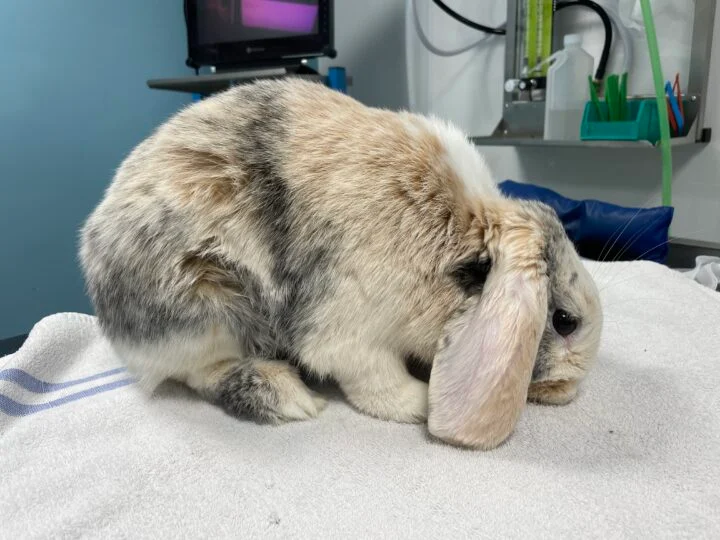
Image credit: Improve Veterinary Education website
Advanced Symptoms of GI Stasis
If things deteriorate further, you might notice:
- No droppings at all
- Complete refusal to eat
- Loud gurgling or total silence in the gut
- Rapid breathing, weakness, or collapse
By this stage, get your bunny to the vet and fast!
The “Hairball” Myth
Some people assume GI stasis is just caused by a hairball. In actual fact, hairballs are rarely the culprit. What looks like a hairball is usually a mix of food, hair, and mucus stuck because the gut slowed down.
Plus, treating the hairball alone won’t fix stasis, you need to tackle the root cause. Read more about hairballs here.
How Vets Diagnose GI Stasis
Your vet will check:
- Tummy feel: Is it bloated or doughy?
- Gut sounds: Normal gurgling, loud gurgling, or silence?
- X-rays: See if there’s gas, a blockage, or abnormal material
- Teeth and urinary checks: Tooth pain or infections are common triggers
- Blood tests: Check hydration, organ function, or infection
Treatment: What Happens at the Vet
GI stasis is an emergency, and treatments can include any of the following:
- Pain relief: Keeping your bunny comfortable helps them start eating again.
- Fluids: Subcutaneous or IV fluids to hydrate the gut and soften contents.
- Gut stimulants: Medications to get the intestines moving (but only if there’s no blockage).
- Syringe feeding: Fibre-rich recovery foods keep the gut moving.
- Gas relief & gentle tummy massage: Only under vet guidance.
- Treating the cause: Dental work, infection control, or stress reduction to prevent recurrence.
Recovery can take days or even weeks. Your patience and gentle, consistent care are key.
How You Can Help Your Bunny at Home
- Provide a quiet, calm space
- Avoid excessive handling (even if all you want to do is to cuddle/comfort your furbaby!)
- Offer unlimited hay
- Keep water accessible
- Keep bonded partners close because they help reduce stress
- Watch droppings carefully and be patient as a slow return is normal
Preventing Rabbit GI Stasis
Prevention is really always better than cure even if it sounds like advice you've heard before. Practising it really makes a difference!
- High-fibre diet: Unlimited hay, high-fibre pellets, fresh greens
*Read more about what a healthy diet should consist of here. - Exercise: Daily roaming outside of the cage
- Grooming: Especially during shedding seasons
- Dental care: Regular checks to keep any overgrown teeth in check
- Stress reduction: Keep the environment calm and predictable
Regular vet visits help catch problems before they become emergencies. Another thing you can do is to have a baseline understanding of your rabbit's body condition/weight. Check this handy guide out.
When to Call Your Vet Immediately
- No eating or droppings for 6 hours
- Severe pain, rapid breathing, or collapse
Quick action can mean the difference between recovery and tragedy.
Long-Term Care for Rabbits Prone to GI Stasis
Some rabbits are just prone to recurring GI stasis. So you've got to keep a watchful eye on:
- Eating habits
- Droppings in terms of texture, frequency etc.
- Hydration and behaviour
- Addressing diet, dental health, infections, or chronic pain reduces recurrence.
Consistency in routine is very important for sensitive bunnies.
Final Thoughts
GI stasis may be serious but it can be manageable. Early detection, prompt vet care, and supportive home management can save lives.
- Keep a high-fibre diet with plenty of hay (at least 90% of the entire diet)
- Reduce stress and provide gentle care
- Monitor droppings and appetite daily
- Schedule regular vet visits every 6 months
More importantly, see a vet who is experienced in handling pocket pets such as rabbits. He or she can also advise on day-to-day care and provide tips or tricks to help you take care of your bunny.
Our team at Gaia Vets are experienced in rabbit care and general surgical procedures. Contact us today!